
Summer with an AGA
How we run our AGA cooker through the warmer months – from twenty-minute suppers to slow-cooked feasts, plus practical advice for oil and gas AGA owners.
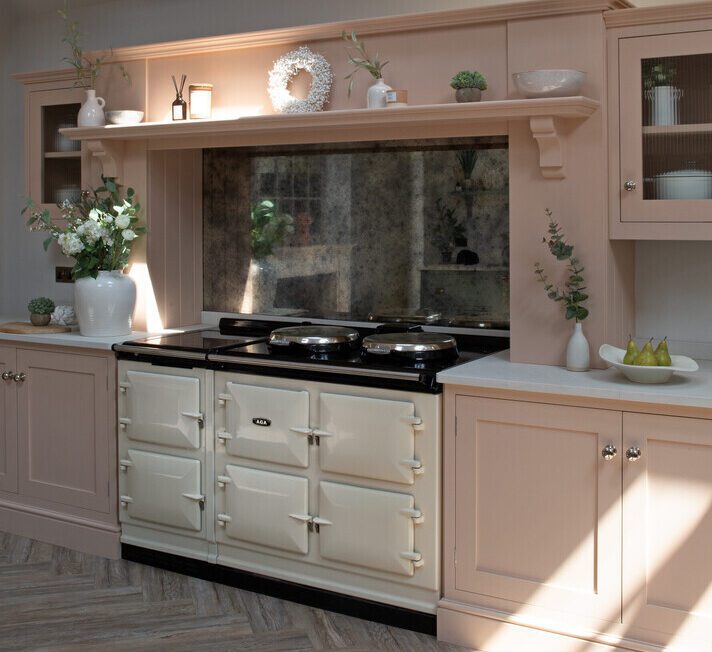
I grew up with an oil AGA – the kind that was on all year, no question. In the summer my mother simply opened every window in the kitchen. So, when people ask – and they often do – What about summer? Won't it be too hot? Don't you have to turn it off? I understand. If your memories of an AGA are of a mighty old oil-fired, always on oven, radiating heat in every direction regardless of the weather, these questions make perfect sense.
But the modern electric AGA offers something else altogether. From sometime in June to sometime around late-September, we turn the main ovens off and simply switch them on as we need them. It’s no bother – the hotplates take about ten minutes from cold; the ovens, around forty. If you know you'll want it at the same time each evening, the programmer on the AGA Signature takes care of timing – set it in the morning and come home to a cooker ready and waiting.
At our house, the hot-cupboard stays on throughout the summer (unless it's truly sweltering). It doesn't put out too much heat, and it's endlessly useful – drying tea towels, warming plates, keeping bread just so. The running costs over summer drop to about £5 a week. We've written about this in more detail in our guide to AGA running costs.
On the hottest days, the simmering plate and the induction hob do most of the work – new potatoes on to boil, salmon fillets with some oil and a few fennel seeds in a pan, while I make a quick salad. The whole meal takes about twenty minutes to make, start to finish, and the kitchen stays nice and cool. The AGA Signature Induction with its built-in induction hob is especially good for this kind of quick, light cooking.
When I do want to use the ovens, I turn one on, let it heat up, use it, and turn it off again – there's no need to commit to hours of heat. Quiches and tarts are wonderful on the AGA, partly because you never need to blind bake. Roll your pastry straight into the dish, add your filling, and put it on the base of the roasting oven. The direct heat from the cast iron makes the pastry underneath crisp and golden with little effort, which is the thing most people struggle with in a conventional oven. A grid shelf comes with the modern AGAs for the bottom of the roasting oven if you find the base too intense, and I turn my AGA Signature down to about R6 or R7 for pastry. As for fillings, we love spinach and gruyère, or goat's cheese and red onion, or this simple tomato tart. This kind of thing is as good at room temperature as it is warm, again, eaten with a salad and perhaps a nice glass of something cold.
My favourite summer meal, above almost any other, is roast chicken with a big green salad and salty chips. It makes me think of France – long family lunches on holiday, eating outside, everyone sun-tired and happy. A whole chicken roasted with garlic and butter, popped in the roasting oven for about an hour and a quarter. The chips join it for the last twenty minutes or so. A big salad with fresh herbs from the garden. And then you eat – pulling the chicken apart, mopping up the juices with perfectly crisp, salty chips and really good mayonnaise. So simple and so delicious.
Then there's slow cooking. A piece of pork shoulder or beef brisket goes into the slow cooking oven in the morning, in a cast iron casserole. You don't need to put anything else in – though stock, apple juice, a few vegetables are nice if you have them on hand. It sits there all day, the oven barely warming the room, and by evening the meat is gorgeously tender. Pulled pork in soft rolls with a sharp slaw. Beef tacos with pickled onions and coriander. Firm favourites in our house.
What I want when friends come for supper in the summer is to be dressing the salad with a glass of wine in my hand when the doorbell goes – not standing over something that needs last-minute attention. We have a crowd coming this evening and I'll be doing a couple of big lasagnes. The ragù, the béchamel, the assembly – all done earlier in the day. Once they're cooked through and bubbling, they move to the warming oven and the main ovens go off. The kitchen stays comfortable, the food is perfect, and we're both free to focus on the conversation, rather than the pans.
I also love Nigella's lamb shanks with dates and pomegranate molasses – a long, slow cook that's ideal for the slow cooking oven, and a handful of sides served cold: couscous, perhaps a carrot salad. The contrast is beautiful – rich, falling-apart lamb against cool, sharp, bright sides.
I've got quite into making a pair of desserts for summer gatherings: a family-style crème caramel (although the execution of this I'm still working on!) and then with the egg whites left over, a meringue with fresh strawberries. The baking oven is great for both – I set it to B2 and it's a perfect, gentle heat. You hardly notice it in the kitchen.
If you have a traditional oil or gas AGA
With a modern electric AGA, going on holiday or away for the weekend is simple – turn it off before you leave and pop the bits you want to use back on when you get home. Traditional oil and gas models need a little more thought. Many of our customers turn their oil or gas AGAs off for the summer. It does no harm at all, and if you are switching it off, it's the ideal time to book a service – your AGA needs to be cold for the work, and you're not relying on it for daily cooking.
In the meantime, plenty of our customers cook happily with a combination of a microwave, air fryer or slow cooker and of course, the barbecue. It's also possible to upgrade your existing hot-cupboard with a built-in induction hob, or add a module alongside your AGA for extra summer cooking options when the main ovens are off. If this is of interest, do get in touch and we can talk you through the options.
If you have an oil AGA, remember to close the supply valve at the tank if you're turning off for more than a few days, to prevent fuel sitting in the burner. And the most important rule: never attempt to relight a hot burner. Always let it cool completely. If you'd rather not relight it yourself, a service engineer can take care of it when you're ready to bring it back on in the autumn.
With a gas AGA, you can turn down to pilot, which keeps the flame on and the cooker partially warm for a quicker return to full temperature. For holidays or longer breaks, turning off completely is fine; they're reasonably easy to relight.
And when September comes
There's no fixed date – but one evening, usually some time toward the end of the month, there's a chill in the air and I find myself nostalgic for the way the kitchen feels with the AGA on. Within the hour, the whole room has that beautiful cosiness again – hard to put into words but impossible to mistake, and the dogs resume their usual position on the floor in front of the cooker.
__
If you've been thinking about moving from an oil or gas AGA to a modern electric model, we're currently offering 10% off when you trade in your old AGA for a new one. And if you're wondering how an AGA would fit your family through the whole year – summer very much included – we'd love to take you through it. Give us a ring, drop us an email, or come and visit the showroom. We'll help you find the cooker that’s right for your home.


