
Slow-roast lamb on your AGA
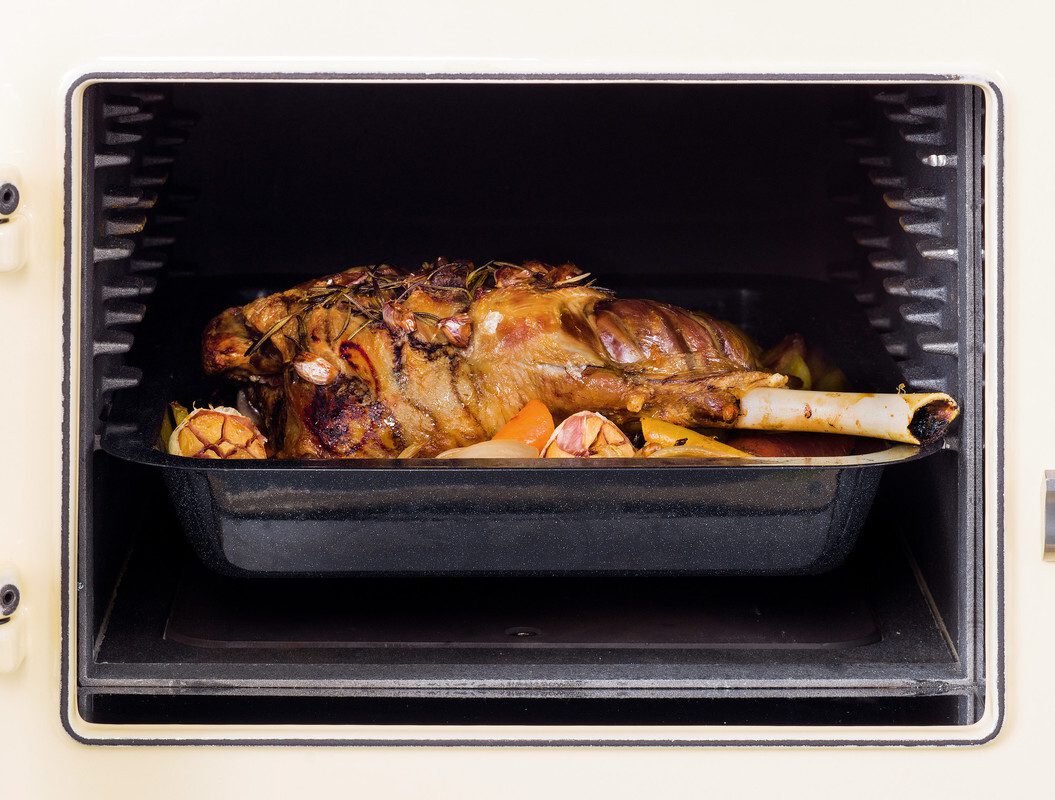
Ed shares his approach to a slow-roast lamb on the AGA – unhurried weekend cooking at its best.
Easter weekend calls for unhurried, generous food – the kind of cooking where you prep in the morning, put everything in the simmering oven, and get on with your day. A walk with the dogs, the children in the garden, a glass of wine in the sunshine if March is being kind. The AGA looks after everything else.
Ed does most of the weekend cooking in our household, and slow-roast lamb is one of his favourites. Not because he follows a precise recipe – he'd be the first to admit he's never made it the same way twice – but because the method is so forgiving on the AGA that it's almost impossible to get wrong. We thought we'd share his approach for anyone planning an Easter roast, or indeed any weekend where you'd rather be with your family than anxiously watching oven timers.
Getting ahead
The beauty of this approach is that most of the work happens the day before or first thing in the morning. After that, the simmering oven on our AGA Signature (AGA eR7) 150-5i takes care of everything.
A leg or shoulder of lamb both work well – shoulder is particularly suited to slow cooking, as it pulls apart beautifully after a few hours. Score the surface all over with a sharp knife, making deep little cuts across the meat, and push a sliver of garlic and a single anchovy fillet into each one. The anchovies are a Jamie Oliver trick, and one worth trying if you haven't before. They melt away completely during the long, slow cook – leaving a depth of flavour that's difficult to achieve any other way. It's one of those additions that transforms a whole dish.
Prep your vegetables – onions, carrots, celery, roughly chopped. Brown the lamb well on the roasting oven floor or on the boiling plate, then place it in a cast iron casserole with the chopped vegetables around it. No liquid needed. All the flavour stays concentrated in the meat.
A cartouche of baking paper on top, and into the simmering oven it goes.
And then you leave it. The simmering oven holds its steady, gentle heat and the lamb cooks gently over four, five, even six hours. It gets better the longer it sits in there. No basting, no checking, no anxiety about timings. This is what the AGA was made for.
No need to worry if things take a bit longer than planned because the walk went via the pub, or family arrived a bit late. AGA slow cooking is wonderfully forgiving like that.
Roast potatoes and parsnips
Parboil your potatoes – peel them, boil for five or six minutes until the edges are just softening, then drain and give the pan a really good shake with the lid on to roughen up the surface. Let them steam dry. They're far better going into hot fat when they're dry and fluffy on the outside. Into a roasting tin with hot fat in the roasting oven, about an hour before you want to eat.
For parsnips, a brilliant tip: boil them with a pinch of bicarbonate of soda in the water. It breaks down the surface just enough that when you roast them, they go properly crispy. No need to cut out the woody cores – just peel, chop, and boil with the bicarb. The roasting oven does the rest.
Bringing it all together
When the lamb is done, take it out and let it rest for a good half hour. This matters more than you might think. If you try to carve or pull it apart straight away, it can become tough. Give it time, and the juices redistribute, the meat relaxes, and everything becomes beautifully tender.
The cast iron casserole goes from oven to table – no decanting into serving dishes, no fuss. We like to just put everything out and let people help themselves.
Why the AGA makes this so easy
A slow-roast lamb on the AGA is about as stress-free as weekend cooking gets. The simmering oven holds a steady, even heat that's perfect for this kind of cooking – low, patient, and incredibly forgiving. You're not going to overcook it, you're not going to dry it out, and the cast iron casserole keeps all the flavour beautifully concentrated.
__
If you'd like more recipes and stories like this, you can subscribe to our newsletter via the form at the bottom of this page. We send one out every few weeks with seasonal recipes, AGA tips and the occasional family story. And if you'd like to book your AGA for its annual service, please get in touch.


